
從法律到文化的鏡頭 看台灣與德國隱私
From Law to Culture: Exploring Privacy in Taiwan and Germany

近日,台灣藝人到德國旅遊,為了記錄旅行時的見聞,拿起手機拍攝街邊景象,商店內的老闆立刻衝出來表示不能拍攝。該藝人和對方說明「沒有拍到任何人,只是想要記錄星期天的超市都沒開」。但對方不聽解釋並將她的手機搶走,檢查手機裡的影像,並將她多段路上攝影的影片全都刪掉。事件闡述到這邊,讓我們暫停三十秒,你是怎麼看待這個事件?
從法律角度看德國拍照規範
從法律的角度而言,德國在隱私保護方面有著嚴格的法律和規定,以下是一些關於在德國攝影的基本規範:
一般攝影:在不侵犯他人的隱私前提下,原則上可以自由地在公共場所拍攝照片。但應避免拍攝與隱私有關的場景,例如:私人住宅或關閉的商業場所。
人物攝影:拍攝人像照片通常需要取得他人同意。同時,如果要進一步分享(分享指的是在網站、社交媒體、電子郵件、群組聊天、報紙或任何其他出版物上發佈)人物照片,也需要獲得他們的許可。另外,對於畫面中可能出現孩童的影像,請格外留心,切勿因為小孩子很可愛就擅自拍攝,拍攝前請取得家長或監護人的許可。 「是否可以用頭部馬賽克取代詢問?」不可以!很多時候模糊頭部並不足夠,人們可以透過紋身、髮型、衣服、照片背景等被識別。
街道攝影:在街道攝影方面,如果公共場所、建築物和車輛在街上可見,一般的規則是你可以自由拍攝。但如果是在商家、房屋或博物館內拍照,則需獲得所有者的許可。
商業攝影:商業攝影的規定可能會有所不同,因為你需要處理版權和商業使用的問題。使用前,請確保遵守相關法律和規定,並獲得必要的許可和許可。
在任何情況下,請以尊重他人隱私和尊嚴為最佳原則。
從文化視角理解隱私差異
對於隱私的需求,我們能毫不猶豫地表示人人都需要擁有。儘管隱私是個極為重要的議題,但它似乎是個挺滑溜的概念,正如美國哲學家朱迪斯·賈爾維斯·湯姆森(Judith Jarvis Thomson)所言「幾乎沒有人對隱私有一個清晰完整的概念」。而「它」,似乎在不同的社會文化,概念也會有所不同。
耶魯大學法學院教授 Robert Post 曾指出美國和歐洲兩個西方社會間隱私權概念的差異,在歐洲,隱私權的核心是個人的肖像權、姓名權與名譽權(a right to one’s image, name and reputation),德國人將其稱為個人的資訊自決權(the right to informational self-determination),也就是個人對公眾形象的控制權。對於隱私權的標準和法律是建立在「個人尊嚴」(Dignity)概念上,強調保護個人的「名譽和形象」為目標;而美國的隱私概念則是以「個人自由」(Liberty)為出發,更聚焦於國家是否侵害他們的自由與利益。
當然這種差異並不是絕對一分為二,主要是可以幫助我們更好的理解不同地區對隱私權的詮釋。
台灣的隱私文化
反觀華人文化,儒家思想影響我們看待隱私。從小,在學校我們學「君子坦蕩蕩」、「光明磊落」、「白天不做虧心事,半夜不怕鬼敲門」錯誤的把這些話跟「如果你沒做什麼不正當的事情,有什麼好隱瞞他人?」或是「如果做事情光明正大,為什麼怕別人知道?」劃上等號。許多男女朋友更是以此當做查看彼此手機、聊天訊息的正當理由。基本隱私彷彿不存在於個人。
而論語中所言「非禮勿視、非禮勿聽、非禮勿言、非禮勿動」,說明了對不禮貌或不適當的內容、行為、言談,不應當觀看、聽聞、傳散和採取。這句話似乎帶入隱私的概念,但不難發現這些俗諺中共通的價值觀 - 比起隱私,我們更強調善惡。亦即如果做的是好事、正當行為,就不怕別人知道。如果是壞事,那更應該將其揭露。隱私權被放置於好壞善惡之後。
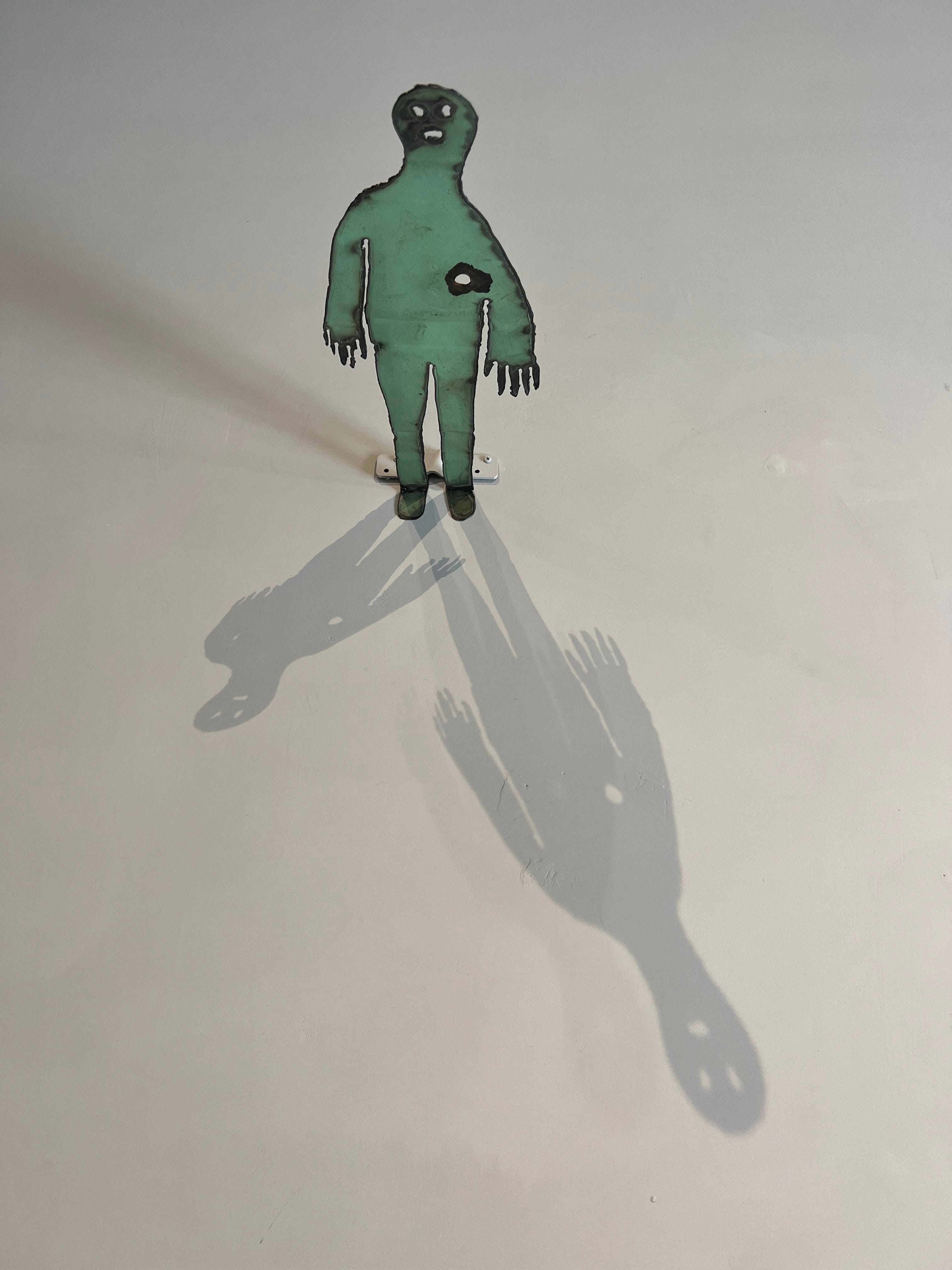
我曾經在慕尼黑的滑冰場想要拍照留念。但被站在一旁的陌生母親大聲斥喝,因為她不希望她的小孩可能出現在陌生人的鏡頭內。即使我的畫面只是場地設備並未出現人物,但我尊重她的顧慮,刪除照片。那個片刻我一直牢記至今,記得那一刻不是因為照片,而是因為那位媽媽教給我的。透過每一次的事件學習,除了高喊隱私權至上,我們必須理解在不同的地方,存有不同的隱私文化,擁有不同的隱私感受。
養成拍照前先詢問的習慣。即使您符合上述法律規範,多一次的詢問都會是讓彼此更舒服的做法。

更多資訊,請參考:
Photography laws in Germany
Whitman, J. Q. (2003). The two western cultures of privacy: Dignity versus liberty. Yale LJ, 113, 1151.
淺談儒家思想對隱私權的影響
Recently, a Taiwanese celebrity was traveling in Germany. In order to document her journey, she used her smartphone filming street scenes. However, the owner of a shop she was filming in front of immediately rushed out and objected to the recording. The celebrity explained that she hadn't captured anyone's image and simply wanted to document that the supermarkets were closed on Sundays. Nonetheless, the shop owner refused to listen to her explanation and grabbed her phone, deleting all the footage of her recordings. With the scenario described up to this point, let's pause for seconds. How do you feel this situation?
Germany's Photography Rules, a Legal Perspective
From a legal standpoint, Germany has stringent laws and regulations regarding privacy protection, and here are some basic norms related to photography in Germany:
General Photography: In principle, you are free to take pictures in public places as long as you don't infringe upon someone's privacy. However, it's important to avoid photographing scenes related to privacy, such as private residences or closed commercial premises.
Portrait Photography: Capturing portrait photographs often requires obtaining the consent of the individuals involved. Moreover, if you intend to further share these images (sharing means publishing them on websites, social media, email, group chats, newspapers, or any other publication), you also need to acquire their permission. Additionally, when it comes to images that may include children, extra caution is needed and never take pictures without the consent of their parents or guardians.
"Can I replace faces with mosaics?" No, often simply blurring faces is insufficient, as people can still be recognized through tattoos, hairstyles, clothing, or the background.
Street Photography: When it comes to street photography, the general rule is that you can freely take pictures if public places, buildings, and vehicles are visible from the street. However, if you intend to photograph inside businesses, homes, or museums, you need to obtain permission from the owners.
Commercial Photography: Regulations for commercial photography might differ because you need to address copyright and commercial usage issues. Before using such photos, ensure that you comply with relevant laws and regulations and obtain the necessary permits and licenses.
In any situation, the best principle to follow is to respect the privacy and dignity of others.
Privacy Differences, a Cultural Perspective
The need for privacy is something we can unequivocally say everyone requires. Though privacy is an extremely important topic, it appears to be a rather slippery concept, as American philosopher Judith Jarvis Thomson once said, "Nobody seems to have any very clear idea what [it] is." Furthermore, this concept seems to vary in different societal cultures.
Robert Post, a professor at Yale Law School, has pointed out differences in the concept of privacy between the United States and Europe, two Western societies. In Europe, the core of the right to privacy includes personal image, name, and reputation rights. In Germany, this is known as the "right to informational self-determination," signifying an individual's control over their public image. The standards and laws regarding privacy rights in Europe are based on the concept of "dignity," emphasizing the protection of an individual's "reputation and image" as the goal. In contrast, the concept of privacy in the United States is rooted in "liberty," with a stronger focus on whether the state infringes on their freedom and interests.
Of course, these differences are not entirely black and white; they mainly serve to help us better understand different interpretations of privacy rights in various regions.
Privacy Culture in Taiwan
Contrastingly, Confucianism has had a significant influence on how Taiwanese people perceive privacy culture. From an early age, we were taught phrases like "君子坦蕩蕩,小人長戚戚" (Gentleman is magnanimous, hypocrite is niggard), "光明磊落" (bright and honest), and "白天不做虧心事,半夜不怕鬼敲門" (A quiet conscience sleeps in thunder.) Erroneously, these sayings have been equated with "If you haven't done anything improper, why hide it from others?" or "If your actions are righteous, why fear others knowing?" Many couples even use these as a legitimate reason to check each other's phones and chat messages. Privacy seems to be almost nonexistent at the individual level.
The saying from the Analects of Confucius, "非禮勿視、非禮勿聽、非禮勿言、非禮勿動" (do not look at what is improper, do not listen to what is improper, do not speak what is improper, do not engage in what is improper), suggests that content, actions, or speech that are impolite or inappropriate should not be observed, heard, disseminated, or undertaken. This saying seems to introduce the concept of privacy, but it is easy to notice the shared values in these proverbs – rather than emphasizing privacy, we prioritize morality. In other words, if what you are doing is good and righteous, there is no need to hide it from others. If it's wrong, it should be exposed. Privacy rights are placed after the notions of good and evil.
I once took photos outside an ice rink in Munich. It was a happy moment that I would like to record. However, a lady standing nearby shouted at me angrily since she didn't want her child to potentially appear in the photos. Even though my pictures only featured the facility and didn't include any individuals, I respected her concerns and deleted the photos. I’ve remembered the moment not with the picture but with what she had taucht me. Through each of these experiences, I've learned that, in addition to advocating for the primacy of privacy rights, we must understand that different places have varying privacy cultures and different sensitivities to privacy.
It's a good practice to develop the habit of asking for permission before taking photos. Even if you comply with the legal regulations mentioned above, asking for permission one more time is always a considerate approach that can make everyone truly smile in front of the cameras.
For more information,
Photography laws in Germany
Whitman, J. Q. (2003). The two western cultures of privacy: Dignity versus liberty. Yale LJ, 113, 1151.
淺談儒家思想對隱私權的影響